Lab
What I build by directing AI agents: business apps, a home lab, video tools, music and games. Most of it you can try right here. Want something like this built? Email me.
27 builds in 6 areas, most of them from the last three months.
-
Games
Bridgewing, a cruise ship simulator
Dock a giant cruise ship at Galveston with real water depths, real weather and tugboats.
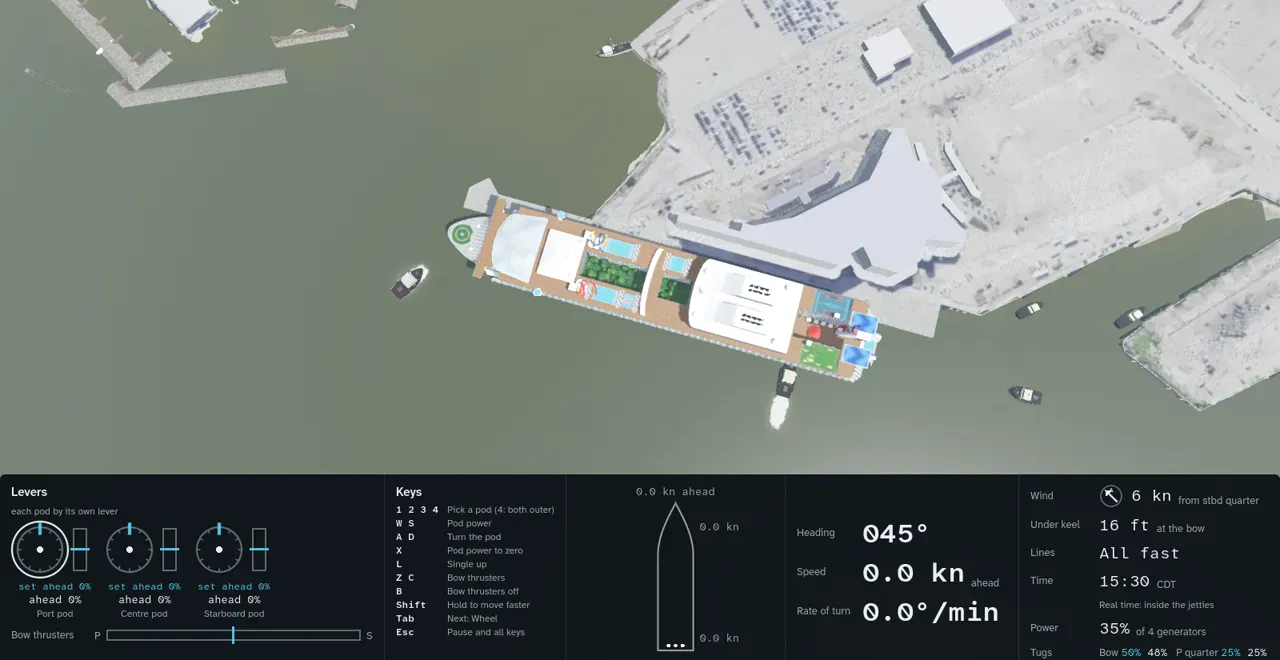
A realistic ship-bridge simulator in Godot, played from the bridge with a keyboard, mouse or game controller. It has ship physics for podded propulsion, a bridge crew that answers orders by voice, tugs, a harbor pilot and three switchable instrument layouts. I made the product calls (a simulator, not a game, and only data that can be shared) and the agents built, tested and packaged it.
1 dayfrom project start to the first playable build
-
Video
Studio lighting, added after the shoot
Home footage relit with 40 classic studio setups, after it was filmed.

 BeforeBlue backdrop
The engine estimates depth, a person outline and face landmarks for every frame, then adds virtual key, fill, rim and hair lights. It can even add moving light, like a campfire flicker or police lights. Each setup comes with a lighting diagram and a tip for getting the look with cheap real lights. Only commercially licensed models are used.
40lighting setups in 6 families
-
Music and voice
Teaching an AI to hear, then to make music
Claude can’t listen, so I had it build its own ears: tools that measure sour notes, harshness and which instrument is playing.
-
Lantern Hour5:05Composed by Claude, with no AI audio generator
-
Hummingbird Summer1:30Sung by an open AI model on my home server; Claude kept the best of 3 takes
With those ears it composes, arranges and masters original music. An open model can re-perform Claude’s own composition, and a mastering step keeps the levels safe. I judged every round by ear, and my verdicts became rules in a playbook the AI follows. When I said “I like it except for that horn sounding thing”, the fix was to keep the real guitar melody out of the AI pass.
12listening rounds in one week
-
-
Games
15 browser games, one file each
Chess with a homemade engine, a three-world platformer and a neon snake. Each is one HTML file with graphics and sound made in code.
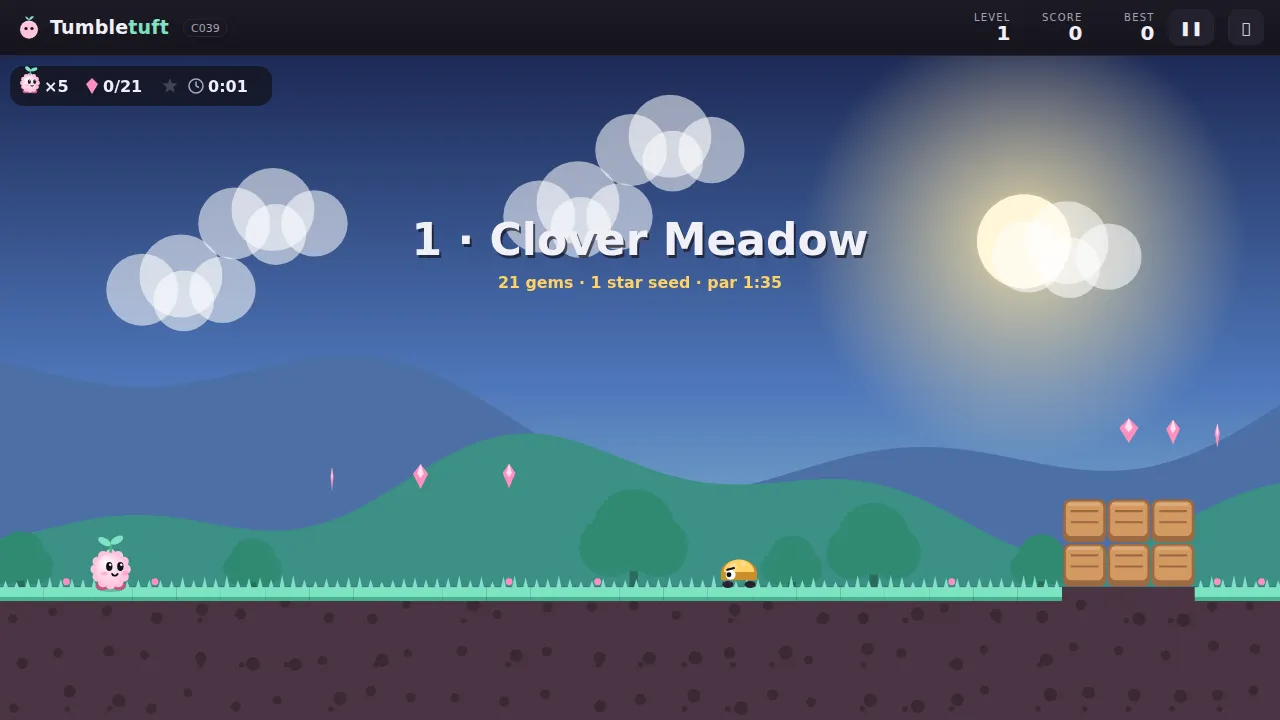
Runs right here, with keyboard, mouse or touch. Open it full screen
Every game is a single self-contained file: graphics drawn in code, sound effects synthesized in the browser, high scores saved, and keyboard, touch or on-screen controls. The chess engine was checked move by move against known counts and thinks in the background, so the board never freezes.
15games, each a single file
-
Apps
Weekly Lesson Planner
Turns a homeschool teacher guide into a printable weekly plan for each child, and never invents a lesson.
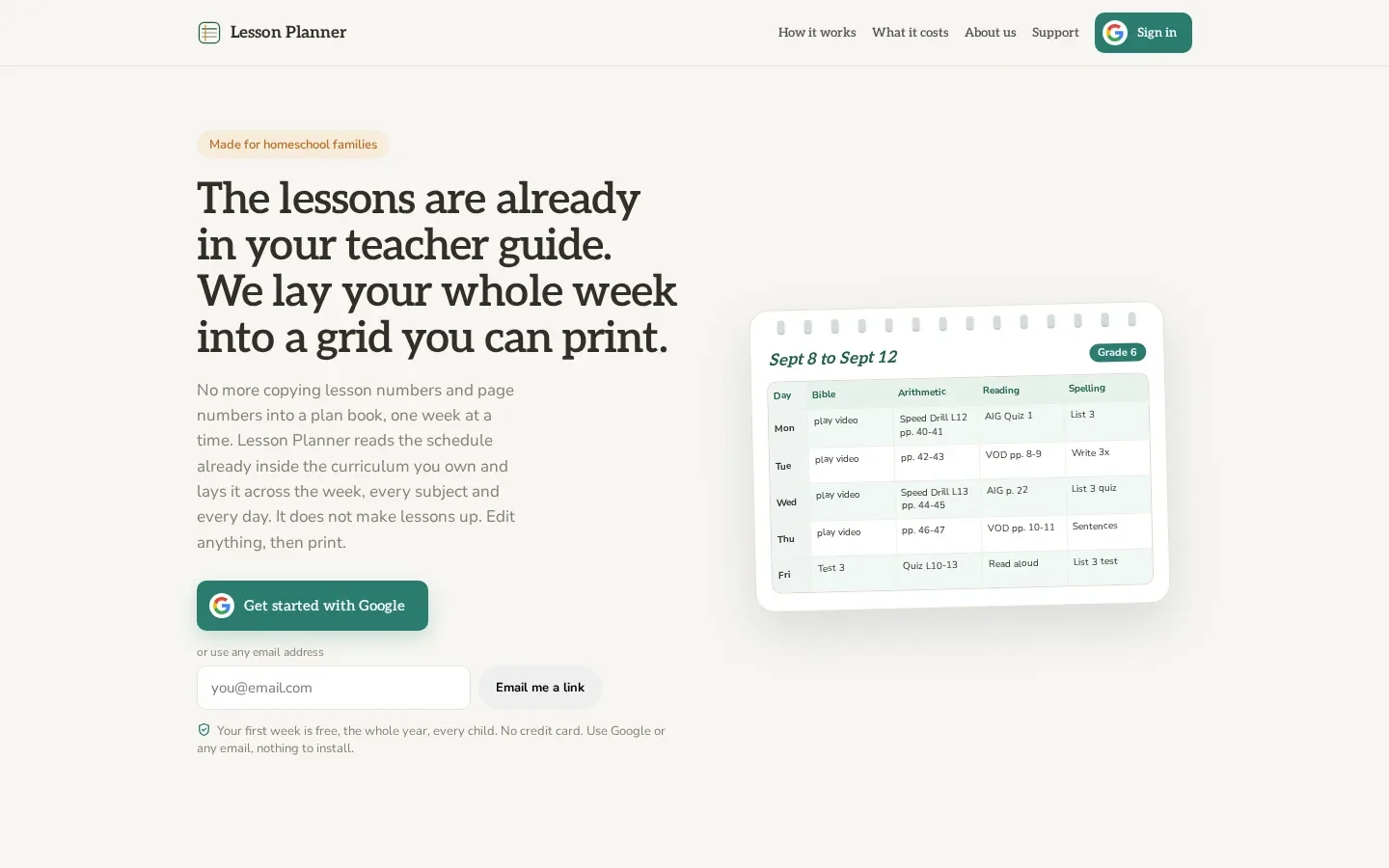
My own subscription product, with Stripe billing, a back office and an AI-drafted support inbox I approve. One rule shaped it: copy from the guide and never make a lesson up.
770changes in its first three months
-
Video
102 color grades, including the Pizza Hut look
I loved the color of one clip shot under a Pizza Hut ceiling. The AI identified it as cross-processed film and built a family of looks around it.
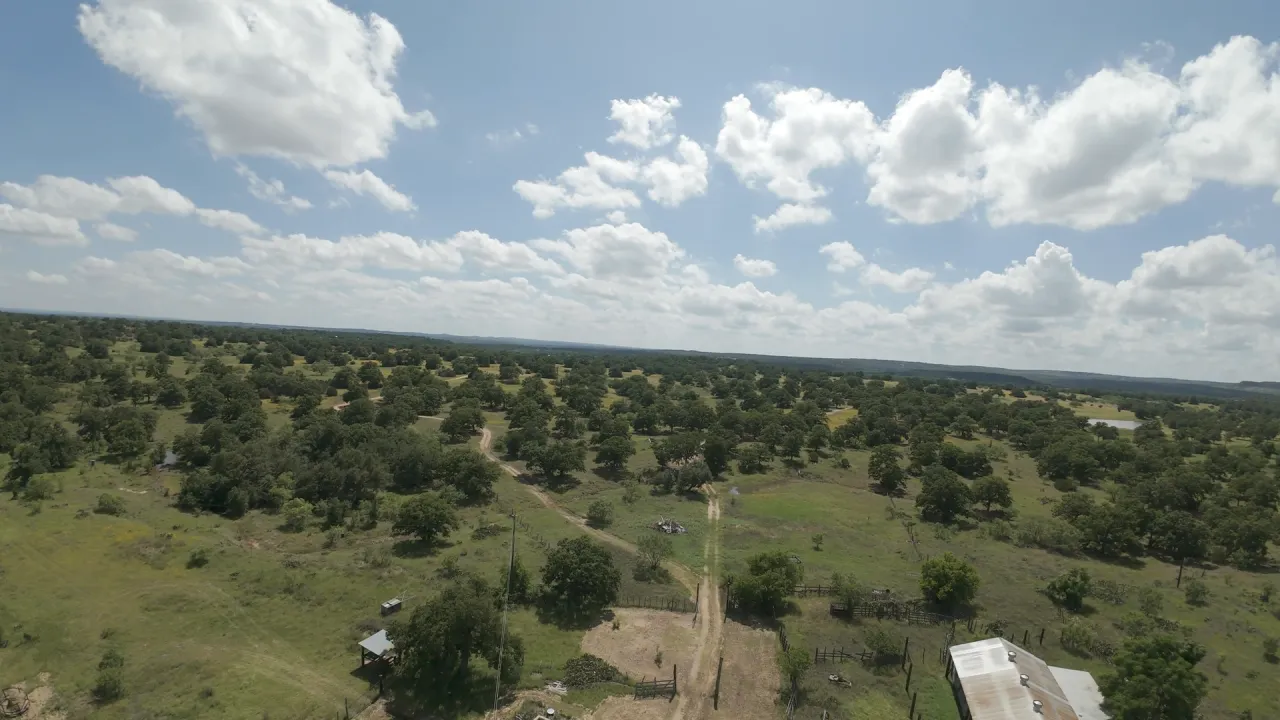
 BeforeCross-process
102 original looks in 11 families, from cinematic and film stock to black and white and duotone. Each is a standard .cube file that loads in any editor, plus a finish recipe for grain and halation. The big lesson: my camera records flat log footage even though the file says otherwise, and an early fix had been quietly covering for that.
102looks in 11 families
-
Video
30 virtual studio sets that hold up
I studied the studios of 22 YouTubers, then had 30 virtual sets built, each with a depth map so a person can be placed, relit and blurred to match.
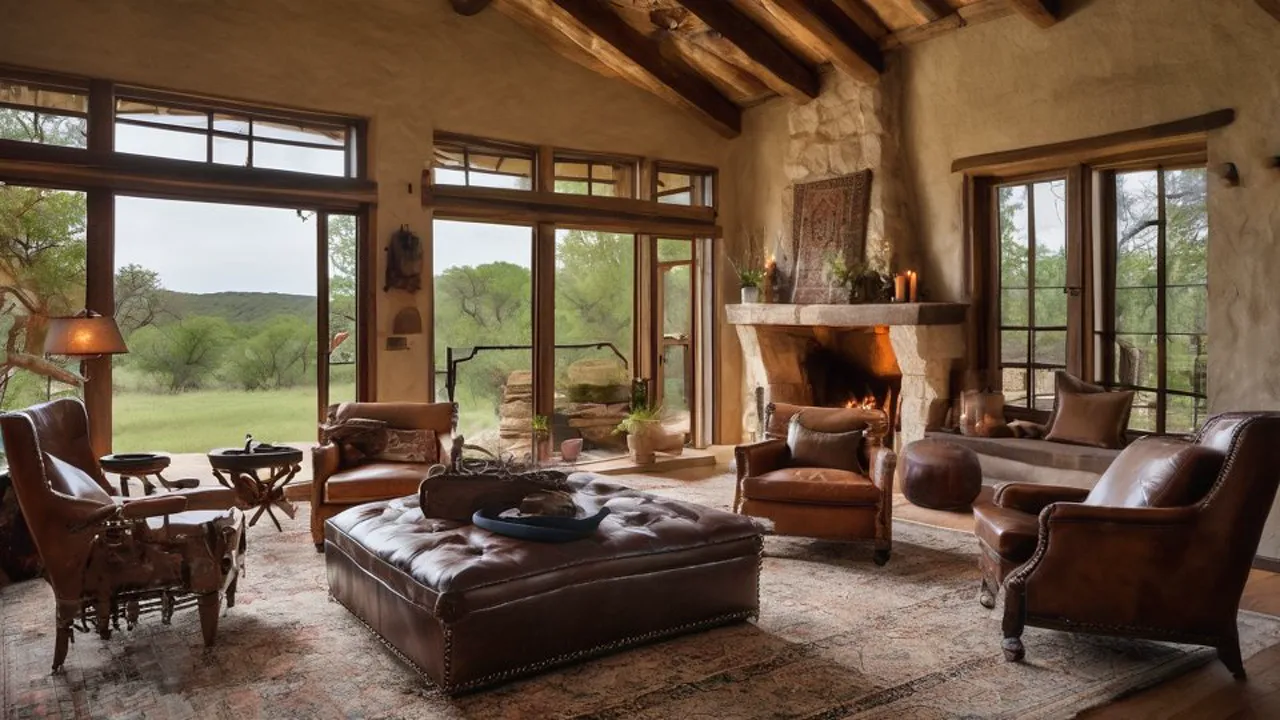
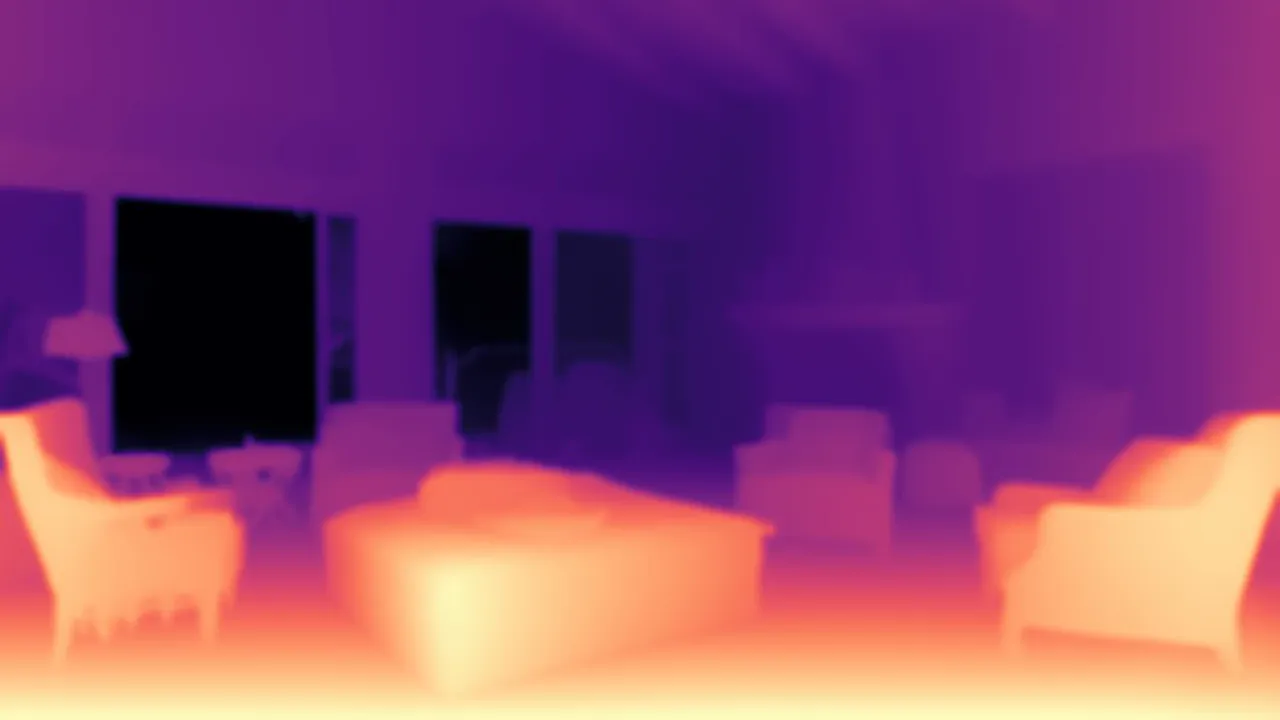 The setDepth the engine sees
The sets are AI-generated images. The depth map tells the engine how far away each part of the room is, so it can blur, light and place a person correctly.
Twenty-five sets are AI-generated images made on my home server and five are seamless paper sweeps built in Blender, each with a depth map and a matching lighting setup. The engine cuts out the subject, relights them for the set and adds lens blur, light wrap and matching grain. Warm sets turned skin orange until the camera’s white balance was simulated.
30sets in 14 families
-
Apps
A church website the staff run themselves
Rebuilt a small Texas church’s website in under three weeks, with a visual editor, online sign-ups and a member directory.
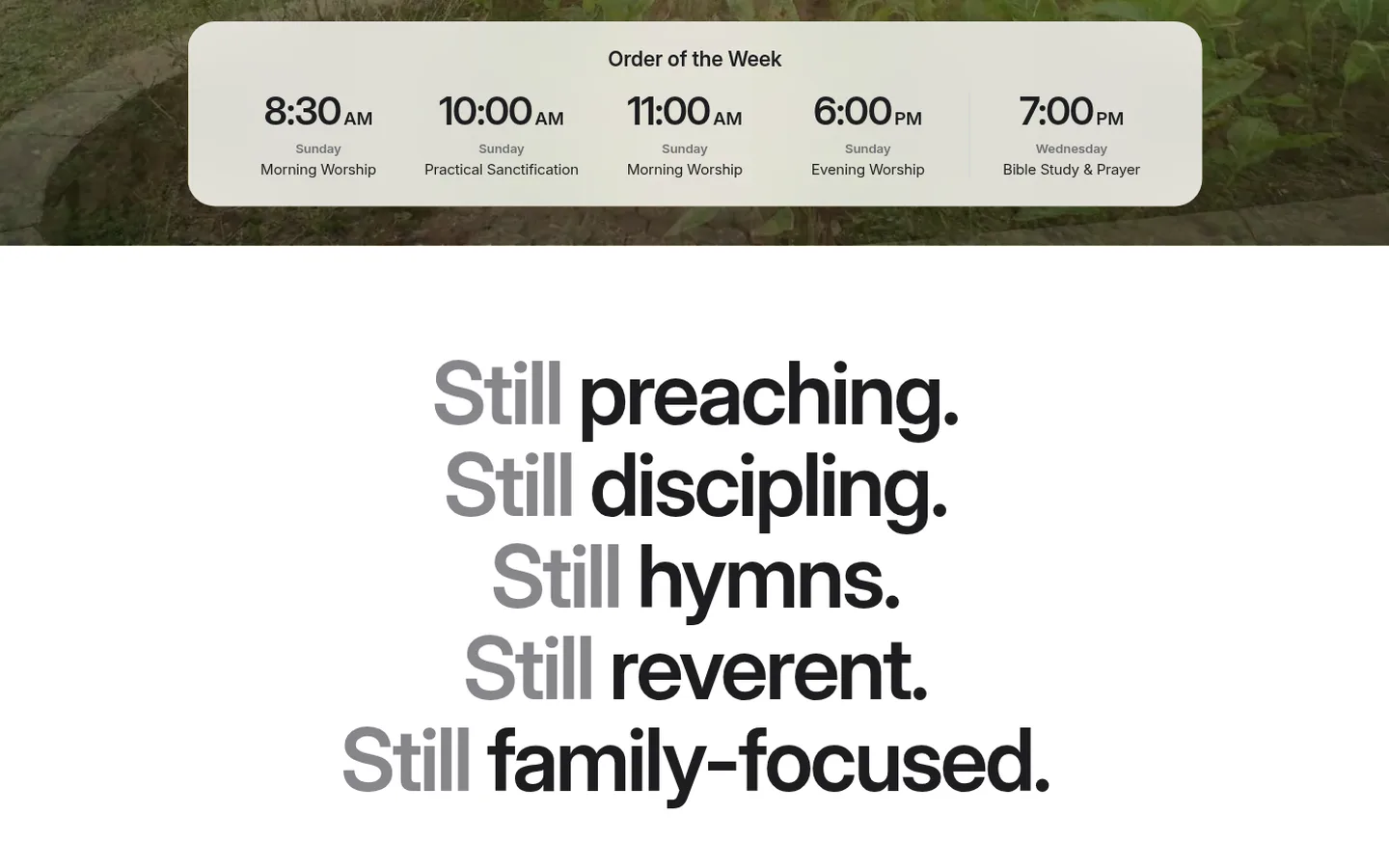
Staff edit pages themselves and every save publishes. Sign-ups land in a database and email the office, and families sign in to the directory with a code sent to their email. The pastor chose among 20 design directions on a review site I built for him.
20design directions to choose from
-
Games
A co-op RPG built by a studio of AI agents
A storybook online RPG, built by a team of Claude agents that each work in their own copy of the code behind a test gate.
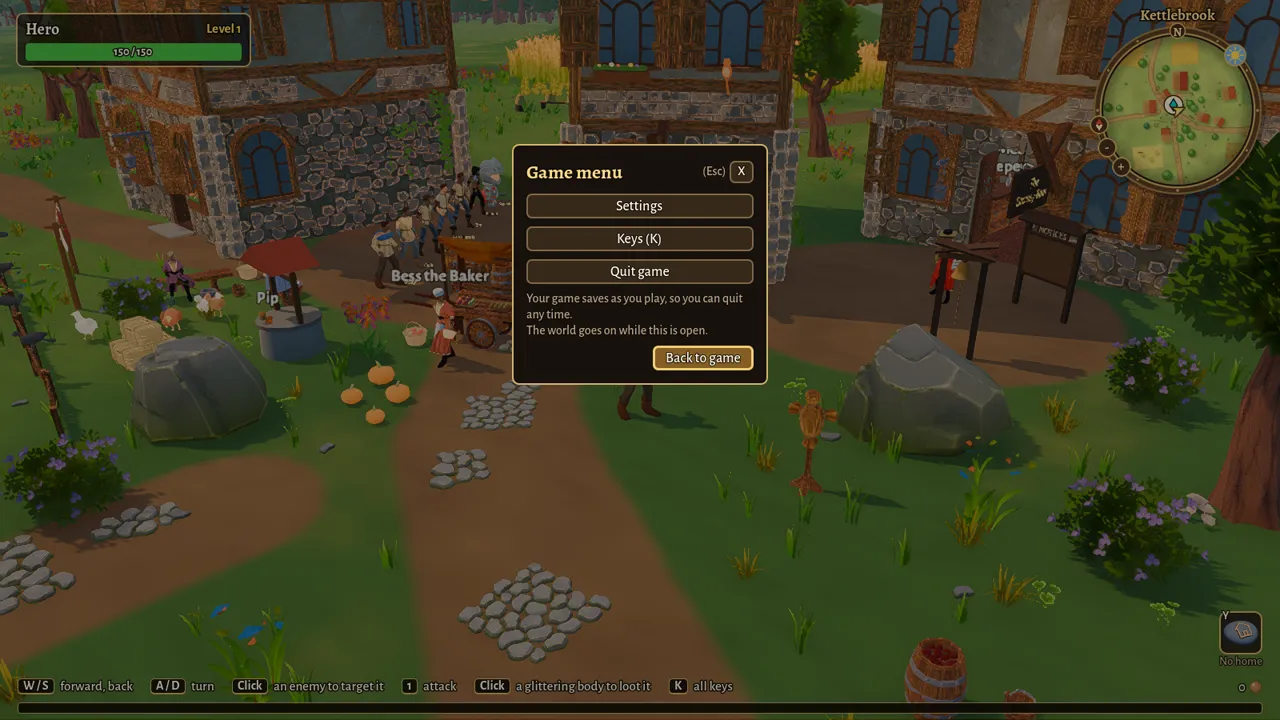
Top-down, with click-to-attack combat, villagers who chat at the inn, quests, gear you can dye, day and night, and two-player co-op. I wrote the vision; an orchestrator agent splits the work into tasks, runs Godot and Blender without a screen, and merges only what passes the tests. The hardest part was moving the whole studio from a Mac to a Linux server without breaking it.
813automated checks passing
-
Apps
300 demos in a day
I said “do everything, 100 of each”, and agents built 300 numbered demos in one day.
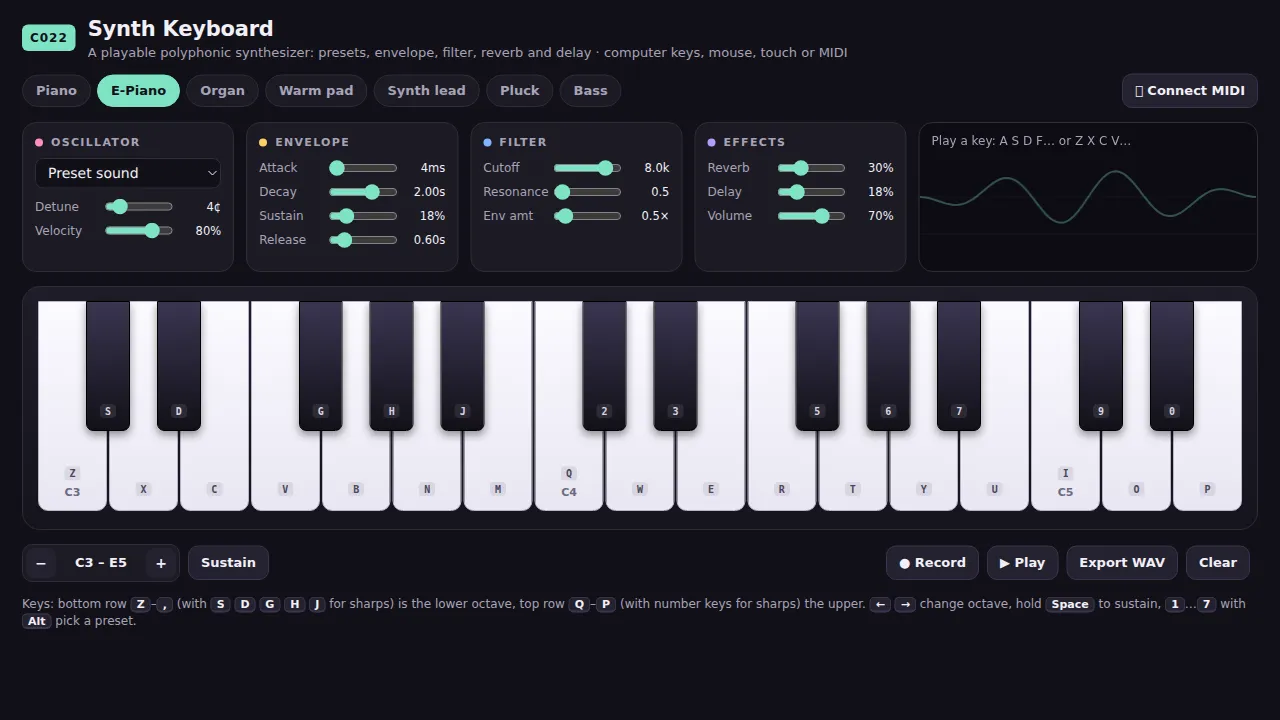
Runs right here, with keyboard, mouse or touch. Open it full screen
Apps, games, charts, posters, audio, AI and 3D, each with a description, a note on how it was made and a thumbnail. Almost every one runs offline as a single HTML file. Two you can play here: a synthesizer that takes a MIDI keyboard, and a 16-step drum machine where every sound is synthesized.
300demos built in one day
-
Apps
Hub, one window for all my AI agents
Every AI agent on four servers in one window, with buttons instead of keystrokes, on any device.
4servers in one sidebarIt lists every Claude conversation with a live status dot, turns terminal menus and permission prompts into buttons, and streams each agent’s commands as they run. Several of its safety rules came from real mistakes, like a test that once typed into an open settings menu.
-
Apps
Alfred, an AI assistant for an accounting firm
Drafts a reply to every client email, learns from staff corrections and turns emailed bills into one-click QuickBooks entries.
Built for Accounting Agency. Staff approve every draft, confirmed facts become rules, and changes are tested on a staging copy against past emails before release. When a draft comes out wrong, the cause gets fixed, not just that one draft.
-
Design
3D by script
Nobody opened Blender’s interface. Every flythrough and data sculpture here came from a Python script.
A golden-hour flight over a procedural Texas Hill Country of limestone hills, a spring-fed river, live oaks and bluebonnets. A 3D city where each of 274 video effects is a tower sized by its real render time. And the 3D server gauges in my control room, in three styles and six color themes.
274towers, one per video effect
-
Music and voice
A voice assistant that joins a Google Meet
Talk to it in real time, or have it join a Google Meet. Its reply time went from up to 8.8 seconds down to about 2.
2.0 sto reply after you stop talkingSpeech recognition runs on my home server, Claude is the brain and open text-to-speech is the voice. A bot joins Google Meet and swaps its microphone for the assistant. With two or more people in the room it only speaks when addressed by name. The agency’s version, Alfred, answers in meetings; mine, Ada, lives in my control room and can see a shared screen.
-
Apps
Talk, a home-made Loom the AI can see
I talk and point at my screen; Claude gets my words plus close-up pictures of exactly what I was pointing at.
29 sto process a 3-minute talkA Talk button records my voice, every screen and the mouse. The home server transcribes it and picks pictures at words like “this” and “here”, at clicks and at scene changes, circling the pointer before the whole timeline lands in the chat. The browser couldn’t record the screen, so agents wrote a native Swift Mac app from a Linux server with no Swift compiler. It compiled on the first try.
-
Video
700 video effects, written as code
I asked for “as many effects as you can, numbered” and had 274 by morning. It grew into an encyclopedia of 700.
700effects in 5 volumesAfter Effects-style tricks like planar tracking, text behind a subject, a depth-based 3D push and beat-synced split screens, each made with Python, ffmpeg and open models and rendered on my own footage. Only commercially licensed models, and every volume is numbered so the numbers never change.
-
Music and voice
A free, home-made voice clone (you won’t hear it here)
A self-hosted alternative to ElevenLabs. In blind listening tests, its clips of my voice are hard to tell from real recordings.
$0trained on a CPU at homeOpen text-to-speech feeds a voice model trained on my home server’s CPU, every output is invisibly watermarked, and a blind A/B page lets me judge by ear. The models and training audio never leave the server, and there is deliberately no sample here: a clip would be enough for someone else to clone me. The lesson: a leaderboard winner did worse on my voice than the model before it, so the blind listening test decides.
-
Home lab
Version control for a church sound board
A Raspberry Pi next to a church mixing desk lets Claude read every setting live, so every “what changed?” becomes a diff.
2,010console settings read in about 110 sThe toolkit snapshots the console as text, compares snapshots and can capture every change made during a service. It finds muted channels that still feed other outputs and explains a snapshot in plain English for volunteers. I’m a volunteer, not a sound engineer: I ask in everyday words and the agent answers from the live board.
-
Home lab
A home lab where AI agents do the heavy lifting
One mini PC runs my main server, two voice assistants and a 16-thread studio that steps aside whenever anything else needs the CPU.
1 minfor a standby server to take over in an outageClaude set it up over SSH: virtual machines, containers, CPU priorities and nightly backups to my NAS. Later it built a standby copy of my control room on a cloud server that takes over within about a minute if the house loses power or internet. The lesson: memory, not CPU, is the real limit, so heavy jobs now run one at a time.
-
Home lab
Teaching Claude to drive the TV and the iPhone
From a Linux server, Claude can install custom apps on a 2020 Samsung TV and change settings on my iPhone.
For the TV, agents rebuilt as command-line tools what a desktop installer normally does: a certificate generator, a sign-and-install script for custom apps and a network remote. For the iPhone, which has no API for per-app notification switches, Claude drives Apple’s iPhone Mirroring on my Mac mini.
-
Video
Family-friendly movie cuts, checked by AI listeners
Mutes every swear word in a movie and cuts scenes, then proves it on the exact file delivered.
12 minautomatic check on every finished filmSubtitles decide which words to look for, several speech models vote on exactly when each one is said, and the consensus gets muted. The first delivery still had 13 words in it: the mutes only survived up to the first cut, and the check had run on an earlier file. Now nothing ships until an automatic check passes on the final file. For personal use.
-
Video
Story Finder
Give it an unplanned day of raw clips and it builds a day log, finds a five-beat story and cuts a 3–6 minute episode.
It transcribes every clip, classifies shots and scores highlights, writes a story plan (setup, complication, turn, payoff, reflection) and cuts the episode with my effects and looks libraries. It’s the first working piece of an editor where you upload footage and the AI does the work.
-
Design
Control Room, rebuilding Hub from what I actually do
Read 1,693 of my own messages and 102 recorded talks to learn what Hub really needs, then redesigned it by picking between real products.
19times I asked “are we waiting on something here?”I decide by picking, not describing: real product screens went head to head, and each round adapted to my picks. The evidence showed my biggest pain was losing track of what we were waiting on.
-
Design
Teaching an AI design taste
Built the same screen five ways to learn what stops AI interfaces looking like “AI slop”, then turned the winner into a procedure every agent follows.
55flawed screen pairs to train the eyeIt covers a design document per project, measured teardowns of apps that feel right, a screenshot loop, accessibility checks and a fresh-eyes reviewer. Its main rule is “show, don’t ask”: I pick between real designs instead of answering questions about fonts and colors. This page was designed with it.
-
Design
Measuring why some apps feel right
I said my apps “just don’t feel right”, so Claude measured Notion and Trello in milliseconds and rebuilt mine to match.
2–6×faster clicks after one fixA kit records what a page does frame by frame: layout shift, click-to-paint time, blank flashes and hover timing. The surprise: my frosted-glass theme made clicks 2 to 6 times slower to paint, so it went, along with 41 other changes in round one.
-
Apps
Slate, a YouTube production app
Analyzed 159 channels and 6,586 videos, then built an app that walks a creator from channel strategy to review.
6,586videos analyzedModeled on how real production teams work: 13 stages with one owner each, and rules written in advance. The record of my first session (a channel chosen in 84 seconds on a step planned for 30 minutes, then a dead end) drove the next fixes.
-
Apps
Today, an AI catch-up on every task due
Every task due today gets a three-line AI catch-up and one-click actions that hand it to an agent.
Tasks stay live through webhooks that check signatures, each gets a summary and suggested actions, and nothing posts without me. I redesigned it by talking through what annoyed me, so each card now leads with a recommendation.




No builds match.